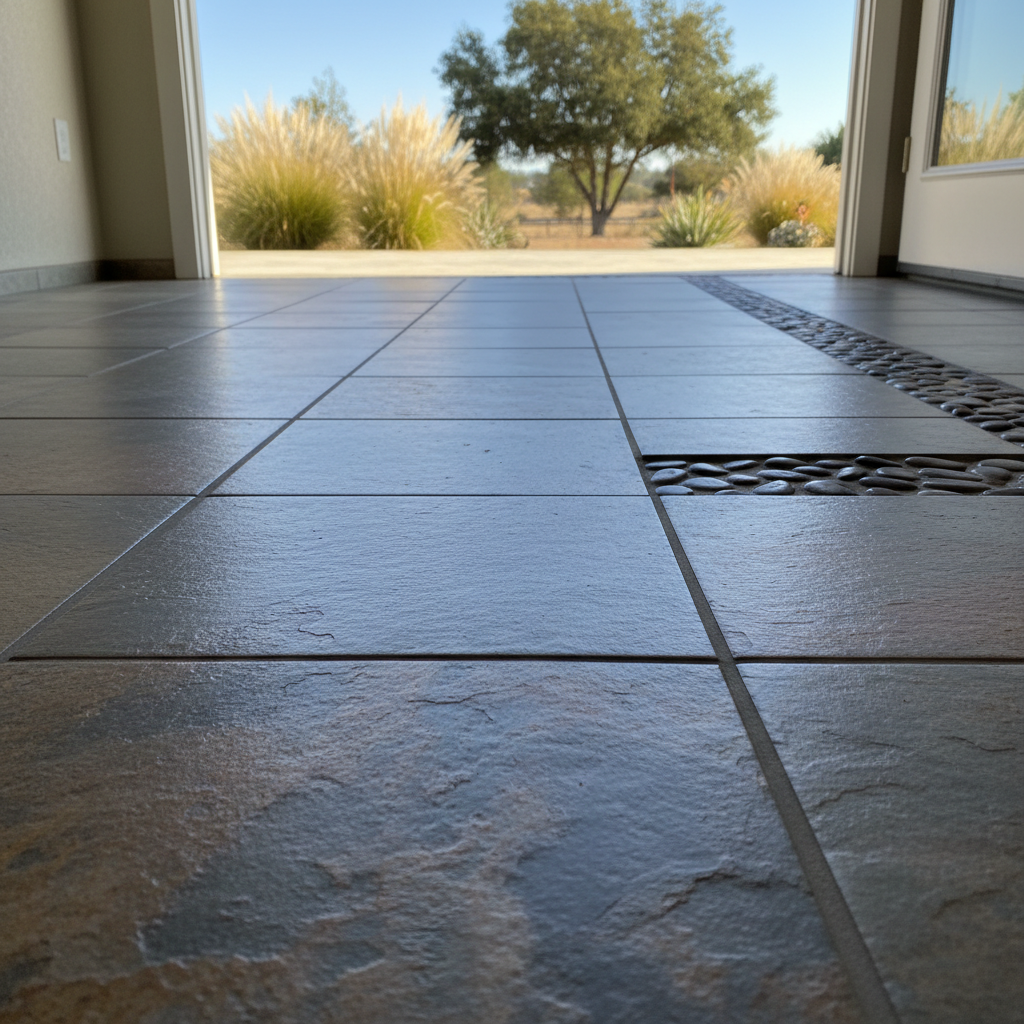
Laying down new Floor Tile can completely change the look of your house, but it is not a project to jump into blindly. Around Elk Grove, our dry summer heat and shifting clay soils mean you have to prep your subfloors right if you do not want your hard work cracking six months down the road. Paradise Tile Solutions has pulled up plenty of botched do-it-yourself jobs over the years, and almost all of them skipped the boring prep phase. Before you buy a single box of Tile, you need to know what you can realistically handle on your weekend schedule and what is better left to a local crew.
Getting Your Subfloor Ready
Your Tile is only as solid as the surface underneath it. If your subfloor bounces, flexes, or has uneven spots, your grout lines will crack and Tiles will pop loose. Wood subfloors need cement backer boards screwed down tight. If you are working over a concrete slab in an older Elk Grove ranch home, check for major cracks and high spots. You might need a self-leveling compound to flatten things out. Can you do this yourself? Sure, if you are patient and have strong knees. But mixing and pouring self-leveling compound under a tight deadline can get stressful fast.
Layout and Cutting
This is where the pros really separate themselves from the weekend warrior. Popping chalk lines and dry-fitting your layout so you do not end up with tiny two-inch slivers of Tile against your baseboards takes real math and planning. Wet saws make a mess, and renting one for a weekend adds up. Straight cuts are easy enough to learn on a manual snapper, but intricate cuts around door jambs and floor vents take practice. If you have standard square rooms with straight walls, layout is a great do-it-yourself project. If your floor plan is full of weird angles and curves, you will save yourself a massive headache by hiring out.
Paradise Tile Solutions spends a lot of time fixing layout mistakes made halfway through a hallway. Taking your time here prevents ugly cuts in high-traffic entryways.
Setting and Grouting
Spreading thinset mortar with the right notched trowel and pressing each Tile in while checking it with a level is hard physical labor. You have to work in small sections before the thinset skins over, and you have to clean out any mortar that squeezes up between the joints before it dries. Once the Tiles are set, waiting twenty-four hours to grout feels like watching paint dry, but you cannot rush it. Mixing grout, pushing it into the joints with a rubber float, and wiping down the haze without digging out the joints takes a delicate touch. It is messy work, but totally doable if you do not mind getting dirty.
When to Call a Pro
If you are doing a small guest bathroom or a laundry room, go ahead and tackle it. You will learn a lot and save some cash. But if you are looking at an open-concept kitchen and living room spanning hundreds of square feet, or working with heavy natural stone and large format Tiles that require specialized leveling systems, call in some backup. Large format Tiles are heavy, they require perfectly flat substrates, and one mistake ruins an expensive material batch. Pick your battles, know your limits, and enjoy the project.